
With gas prices remaining high, many businesses across the UK have taken steps to reduce energy consumption; thermostats are turned down, systems are run for shorter periods and heating is minimised wherever possible.
On the surface, these look like fairly sensible cost cutting measures. But for many commercial buildings, it’s creating a growing and costly problem: damp.
Rising Gas Prices are Changing Building Behaviour
To manage extortionate energy bills, organisations are tweaking things.
- Reducing heating hours.
- Allowing temperatures to drop overnight.
- Heating only occupied areas.
- Delaying the start of heating cycles.
While these measures help limit short-term expenditure, they also lead to colder internal surfaces and higher indoor humidity — particularly during the UK’s increasingly wet winters.
Once moisture builds up inside a building, it becomes harder and harder to maintain comfort and energy efficiency.
Damp Rarely Starts with Structural Faults
In commercial properties, damp often develops without any obvious leaks.
- Occupant-generated moisture.
- Poor ventilation during wet weather.
- Reduced background heating.
- Large internal spaces with uneven temperature distribution.
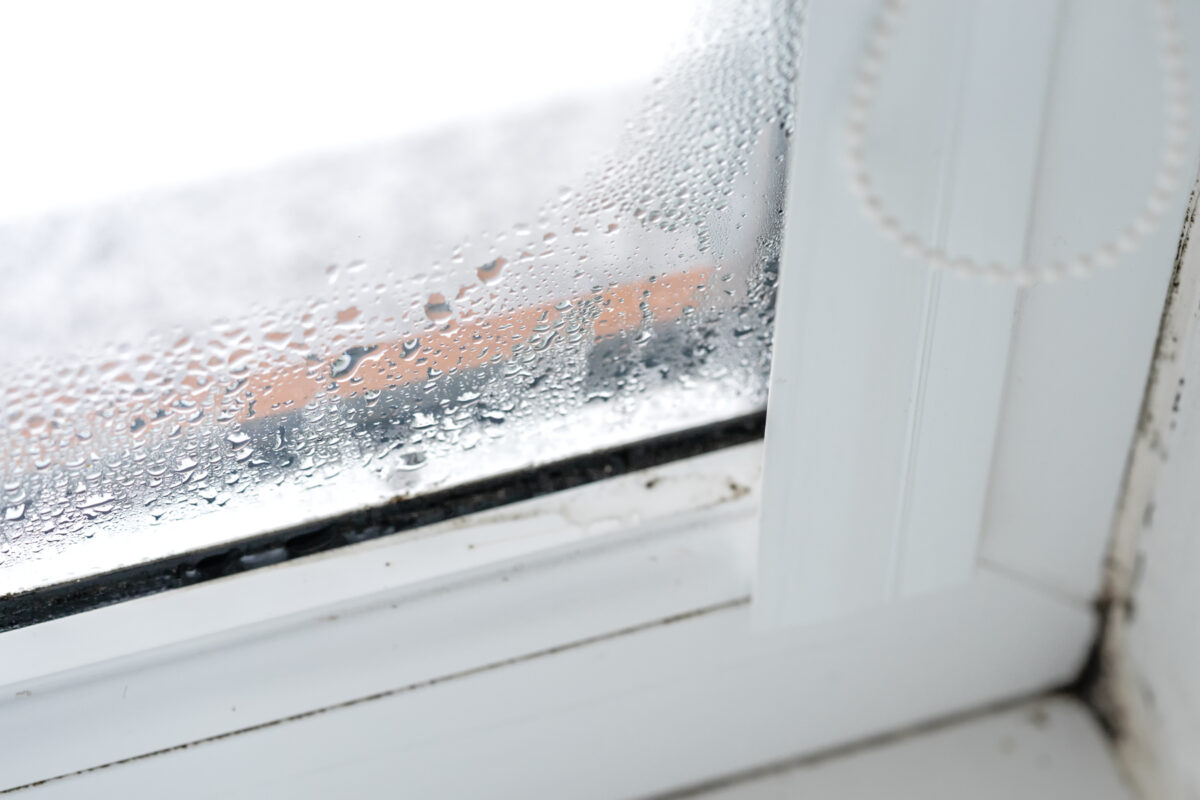
Moist air meets cold walls, ceilings, and glazing, leading to condensation. Over time, this moisture penetrates finishes and furnishings, creating persistent damp conditions.
The Hidden Business Costs of Damp Buildings
Damp environments impact far more than aesthetics.
- Building Performance – Moist walls and ceilings lose thermal efficiency, increasing heating demand and energy costs.
- Interiors & Assets – Floor coverings, furniture, equipment, and finishes deteriorate faster in humid environments.
- Staff Wellbeing & Productivity – High humidity and poor air quality can cause discomfort, fatigue, and respiratory irritation — reducing focus and increasing absenteeism.
- Maintenance Budgets – Recurring mould treatment, redecorating, and reactive repairs become ongoing operational expenses.
The result is a building that costs more to run, delivers less comfort, and requires constant intervention.
Why Turning Down Heating Often Makes Things Worse
Reducing heating in response to high gas prices is potentially a false economy.
- Internal temperatures drop.
- Surfaces become colder.
- Condensation increases.
- Humidity rises.
- Damp develops.
- More energy is required to reheat the building.
This cycle makes properties harder to manage and erodes the savings businesses were trying to achieve in the first place.
Air Conditioning Stabilises Temperature & Humidity in Commercial Buildings
Commercial air conditioning systems offer far more than cooling.
- Efficient heating through heat-pump technology.
- Continuous dehumidification.
- Zoned temperature control.
- Improved indoor air quality.
- Stable background conditions.
By actively removing moisture while maintaining consistent temperatures, air conditioning prevents the environmental conditions that allow damp to take hold.
This transforms HVAC from a comfort feature into a longterm tool for effectively managing a building.
Commercial Air Conditioning – A More Efficient Alternative to Gas Heating
Air conditioning systems typically deliver multiple units of heat for every unit of electricity used, making them significantly more efficient than traditional electric heating and less vulnerable to volatile gas prices.
- Heat only occupied zones.
- Maintain overnight background temperatures.
- Prevent cold spots in larger buildings.
- Reduce reliance on centralised gas systems.
This targeted approach improves comfort while providing greater control of operational costs.
Rethinking Commercial Heating in a High-Cost Energy Landscape
Extortionate gas prices are changing how businesses operate their buildings. But simply turning heating down is not a sustainable solution.
Modern air conditioning offers a smarter alternative — delivering heating, cooling, and humidity control through a single, cost efficient HVAC system.
In today’s climate, managing damp is no longer optional. It’s an essential part of maintaining comfortable, efficient, and resilient commercial spaces.
If you’d like to discuss commercial air conditioning, call or email – we’ll send a qualified HVAC engineer to survey your property, before recommending the best air conditioning solutions.